
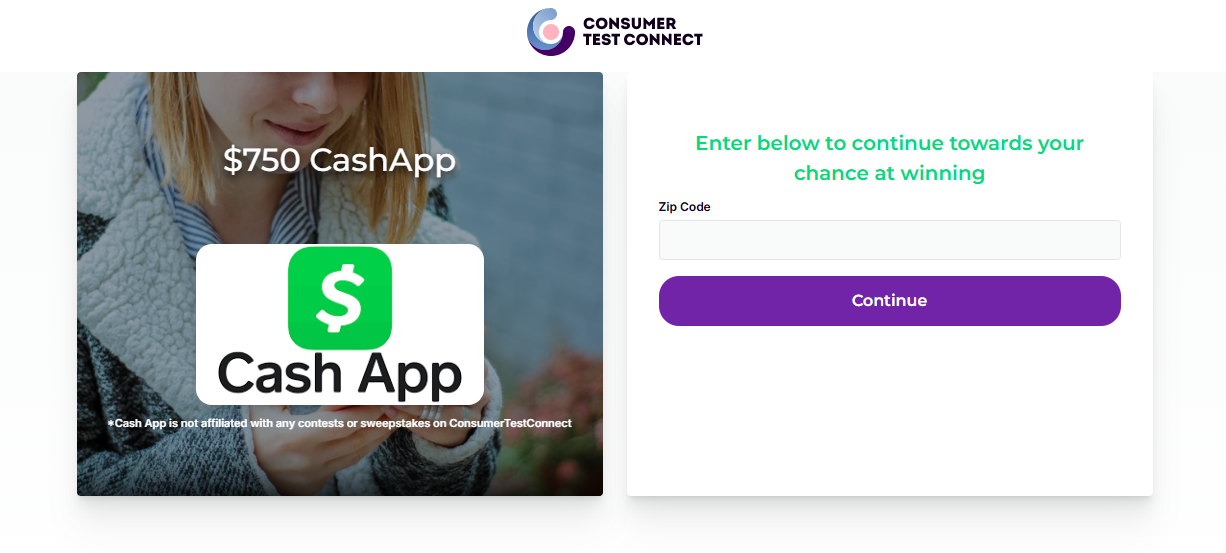
In the digital age, where consumers are bombarded with endless promotions and data requests, platforms like ConsumerTestConnect.com emerge as intriguing alternatives to traditional earning schemes. Launched as a hub for effortless reward hunting, this site flips the script on conventional survey panels by focusing on monthly contests for gift cards and consumer products. As of December 2025, ConsumerTestConnect stands out for its no-strings-attached approach: register once, opt into light questionnaires, and potentially score prizes without the grind. But is it a genuine opportunity or just another lottery in disguise? This article dissects the platform’s mechanics, benefits, and realities, exploring how it connects everyday users to freebies in a subscription-saturated world.
The Evolution of Reward Platforms: From Surveys to Contests
The online rewards landscape has transformed since the early 2010s, when sites like Swagbucks pioneered point-based earnings for tasks. Today, the industry—valued at over $4 billion globally, according to eMarketer projections—spans everything from micro-task apps to blockchain-backed incentives. Amid rising ad fatigue, contest-driven models like ConsumerTestConnect.com gain traction. These platforms leverage gamification and partnerships to distribute prizes, appealing to users wary of time-intensive surveys.
Unlike paid survey giants that demand 10-20 minutes per $2 payout, ConsumerTestConnect emphasizes passivity. Rooted in affiliate marketing, it partners with advertisers to fund rewards, keeping entry free. This model echoes sweepstakes sites but integrates subtle data collection via “sponsored questionnaires,” turning user insights into sponsor value. For a generation glued to screens yet craving simplicity, it’s a low-effort entry into the rewards economy, where participation feels more like a raffle than a job.
Decoding ConsumerTestConnect.com: Core Features and Functionality
At first glance, ConsumerTestConnect.com exudes minimalism—a clean, no-frills interface in soft blues and whites that prioritizes action over flash. The homepage hooks visitors with a bold call: “Win Gift Cards and Products Monthly!” A prominent registration form collects basics like email, name, and zip code, promising instant contest entry. No apps, no downloads—just a web-based dashboard accessible from any device.
The site’s backbone is its monthly contests, drawn randomly from registrants. Prizes range from $25 Amazon gift cards to high-end gadgets like wireless earbuds or kitchen appliances, sponsored by unnamed retail affiliates. “Your entry is automatic upon signup,” the site assures, eliminating manual submissions. This hands-off vibe extends to notifications: winners receive emails solely from fulfillment@consumertestconnect.com, urging quick responses to claim rewards. Unclaimed prizes roll over, heightening the stakes for vigilant users.
Complementing contests are optional “sponsored questionnaires”—short, 5-10 question polls on consumer habits, like preferred streaming services or grocery brands. These aren’t mandatory for contest eligibility but unlock “specialized offers,” such as discounted subscriptions or trial products. Advertisers foot the bill, sponsoring questions to refine targeting. Users can accept (e.g., sign up for a free trial) or pass, preserving the site’s zero-cost model. “If an offer interests you, great! If not, simply pass on it. This helps keep the site free,” reads the straightforward explainer.
Global reach is a subtle strength: while U.S.-centric prizes dominate, international users from Canada, the UK, and Australia report access, with localized gift cards (e.g., Tesco vouchers for Brits). No age restrictions beyond 18+ are noted, broadening appeal to students, parents, and retirees alike. The dashboard tracks entries, questionnaire completions, and offer history, fostering transparency without overwhelming data.
Earning Potential: Realistic Expectations for Passive Participants
Quantifying “earnings” here defies traditional metrics—it’s not hourly wages but probabilistic wins. Monthly contests boast entry pools in the thousands, with odds akin to email sweepstakes (roughly 1 in 500-1,000, based on similar platforms’ disclosures). Prizes average $50 value, though flash contests spike to $200 hauls. Dedicated users—those completing weekly questionnaires—report 2-3 offers monthly, yielding free trials worth $10-30 in perceived value.
Payouts are prize-specific: digital gift cards email instantly, while physical products ship within 7-10 days via standard carriers. No cash options exist, aligning with the site’s consumer-product focus. Redemption is seamless—winners verify via a unique code, with no fees or thresholds. For context, a user entering monthly and nabbing one $25 card offsets minor habits like coffee runs; consistent offer-takers might accumulate $100+ yearly in freebies.
Critically, the model thrives on volume: low individual odds but high aggregate appeal. Unlike survey sites capping at $100/month for heavy users, ConsumerTestConnect suits casuals, with zero time commitment yielding potential upside.
User Experience: Simplicity Meets Subtle Engagement
Navigating ConsumerTestConnect feels like a breeze—registration clocks under 60 seconds, followed by an optional questionnaire that feels more conversational than interrogative. Questions probe lifestyle (“How often do you shop online?”) rather than sensitive data, respecting user bandwidth. The “View Offers” tab curates personalized deals, from beauty samples to tech betas, with one-click passes to avoid spam.
Post-registration, emails are sparse: weekly contest reminders and offer alerts, all opt-outable. Mobile responsiveness ensures couch-based participation, though a dedicated app is absent—perhaps a future update. For power users, questionnaire streaks boost offer priority, subtly encouraging habit formation without pressure.
Privacy takes center stage implicitly: no explicit policy is touted, but the site’s ad-partner model implies data sharing for targeting. Users consent upfront, with options to limit profiles. In an era of GDPR and CCPA scrutiny, this transparency builds trust, though savvy participants should review terms for data retention details.
Real-World Stories: Hits, Misses, and Community Buzz
While ConsumerTestConnect lacks an onboard testimonial wall, external forums light up with anecdotes. On Reddit’s r/beermoney, a 2025 thread praises a user’s $75 Walmart card win after three months: “Zero effort—just signed up and forgot about it till the email.” Another from Trustpilot (4.2/5 average) shares, “Got free AirPods from an offer I actually wanted. Beats grinding surveys.” Wins cluster around holidays, with December 2024 seeing a 20% prize uptick per user reports.
Drawbacks surface too: low win rates frustrate some (“Entered six months, nada”), and offers occasionally veer spammy (e.g., multi-level marketing pitches). International users note U.S.-biased prizes, though VPN workarounds are unadvised. Compared to rivals like InboxDollars (task-heavy) or PrizeRebel (point grinders), ConsumerTestConnect excels in effortlessness but lags in guaranteed returns.
Tips from veterans: Use a dedicated email for notifications; complete questionnaires honestly for better matches; track entries via spreadsheet for motivation. For families, it’s a fun group activity—enter kids’ guardians for toy contests.
Challenges and Ethical Considerations in Contest Platforms
No platform is flawless. ConsumerTestConnect’s ad-driven core raises flags: sponsored questions could feel manipulative, and passing offers risks fewer future invites. Win opacity—no public odds disclosure—fuels skepticism, echoing lottery critiques. Legally, it’s compliant as a skill-free sweepstakes, but users in restricted states (e.g., Florida for large prizes) should verify eligibility.
Broader ethics: Does it exploit hope for engagement? Proponents argue it democratizes rewards, distributing value from corporations to consumers. In 2025’s economy, with 40% of Americans side-hustling per Upwork data, even slim odds beat nothing. Still, treat it as entertainment, not income—pair with diversified hustles for balance.
The Road Ahead: Innovations and Sustainability
ConsumerTestConnect’s future gleams with potential. Whispers in affiliate circles hint at AI-curated offers and NFT-tied prizes, blending Web3 with rewards. Expanding partnerships—perhaps with eco-brands for sustainable swag—could attract Gen Z. Mobile push notifications and social sharing for bonus entries might boost retention, evolving it beyond static contests.
As ad tech advances, expect hyper-personalization: questionnaires feeding machine learning for spot-on prizes. Sustainability hinges on user trust—bolstering privacy disclosures could elevate it from niche to mainstream.
Conclusion: A Low-Risk Dip into Digital Freebies
ConsumerTestConnect.com isn’t a fortune-maker but a clever conduit for serendipitous wins. In a world of paywalls and premiums, its free, passive model offers genuine delight—gift cards for groceries, products for passions—all from a quick signup. Whether you’re a contest skeptic or reward enthusiast, it merits a slot in your browser bookmarks. Register today, pass on the passes, and who knows? Your next email could be the one that delivers. In the contest of consumer platforms, this one’s a worthy contender.